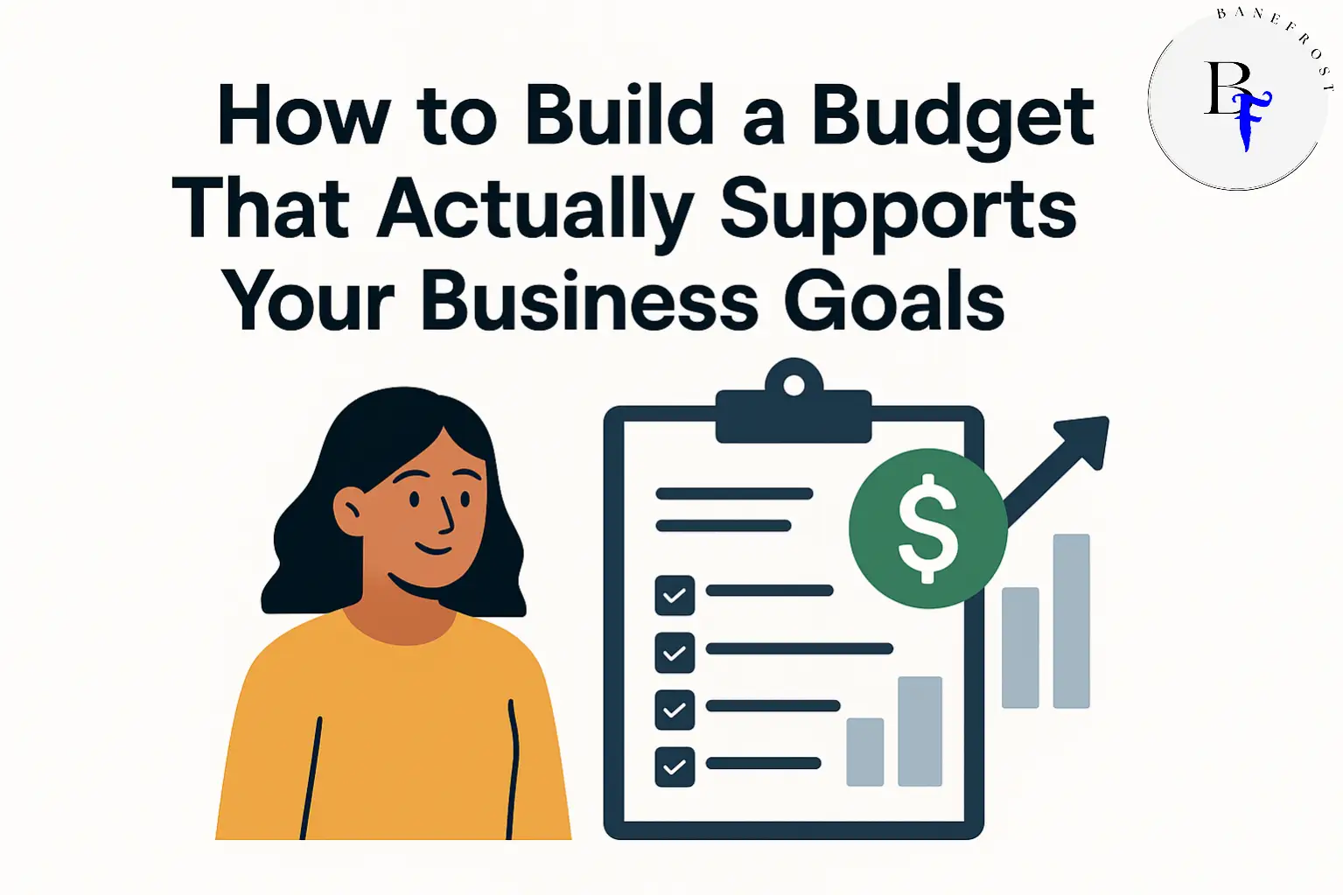
Most business owners create a budget once, file it away and never look at it again. But a useful budget is not a one-time document. It is a living tool that guides how you spend, invest and grow. When your budget aligns with your goals, it becomes one of the strongest decision-making tools you have.
Start by identifying what matters most this year. Do you want to hire? Launch a new offer? Reduce debt? Improve marketing? Your budget should reflect the priorities you want to move forward, not just track expenses.
Separate your fixed and variable costs. Fixed costs stay the same each month, like rent or subscriptions. Variable costs change based on activity, like contractors or advertising. Knowing the difference helps you predict cash flow and plan more accurately.
Look at your revenue patterns. If your income fluctuates by season or quarter, build that into your budget. Planning for slower months prevents unnecessary stress and helps you remain stable year-round.
Set spending limits that match your goals. If growth is the priority, allocate more toward marketing or operations. If stability is the goal, prioritize savings and debt reduction. Your budget should reflect where you want the business to go.
Review your budget monthly. Compare what you planned to what happened. If numbers shift, adjust intentionally instead of reacting emotionally. This keeps your financial decisions grounded in real data.
A good budget gives you clarity and direction. It helps you make smarter choices and prevents small spending habits from slowing your long-term goals.
If you want support building a budget that strengthens your business, visit banefrost.com/contact to get started.